

Direct Answer: Safety First, Ground-Level Inspection
Following a hurricane in Boca Raton, never climb onto your roof. Saturated soil makes ladder placement unstable, loose tiles can slide beneath your feet, and downed electrical power lines present lethal shock hazards.
Begin your inspection safely from the ground using high-power binoculars. Walk the complete perimeter of your property, documenting missing tiles, displaced ridge caps, dented gutters, and fallen branches. Then check your attic for light penetrations or wet insulation, and call a licensed roofing contractor for safe rooftop triage.
The Ground-Level Perimeter Walk: What to Look For

Take a slow walk around your home's exterior, scanning with binoculars and recording high-definition video on your phone:
• Eaves and Roof Edges: Look for lifted or tilted perimeter tiles. High wind uplift hits roof corners and eaves first.
• Ridge and Hip Caps: Check the triangular cap tiles running along the peaks of your roof. Look for cracked mortar bonds or missing cap pieces.
• Debris in Gutters & Yard: Check the ground for fragments of broken clay or concrete tile, roofing granules, or displaced metal flashing.
• Soffit & Fascia Damage: Inspect the underside of roof overhangs for dislodged aluminum soffit panels or peeling fascia wrap.
The Interior and Attic Moisture Check
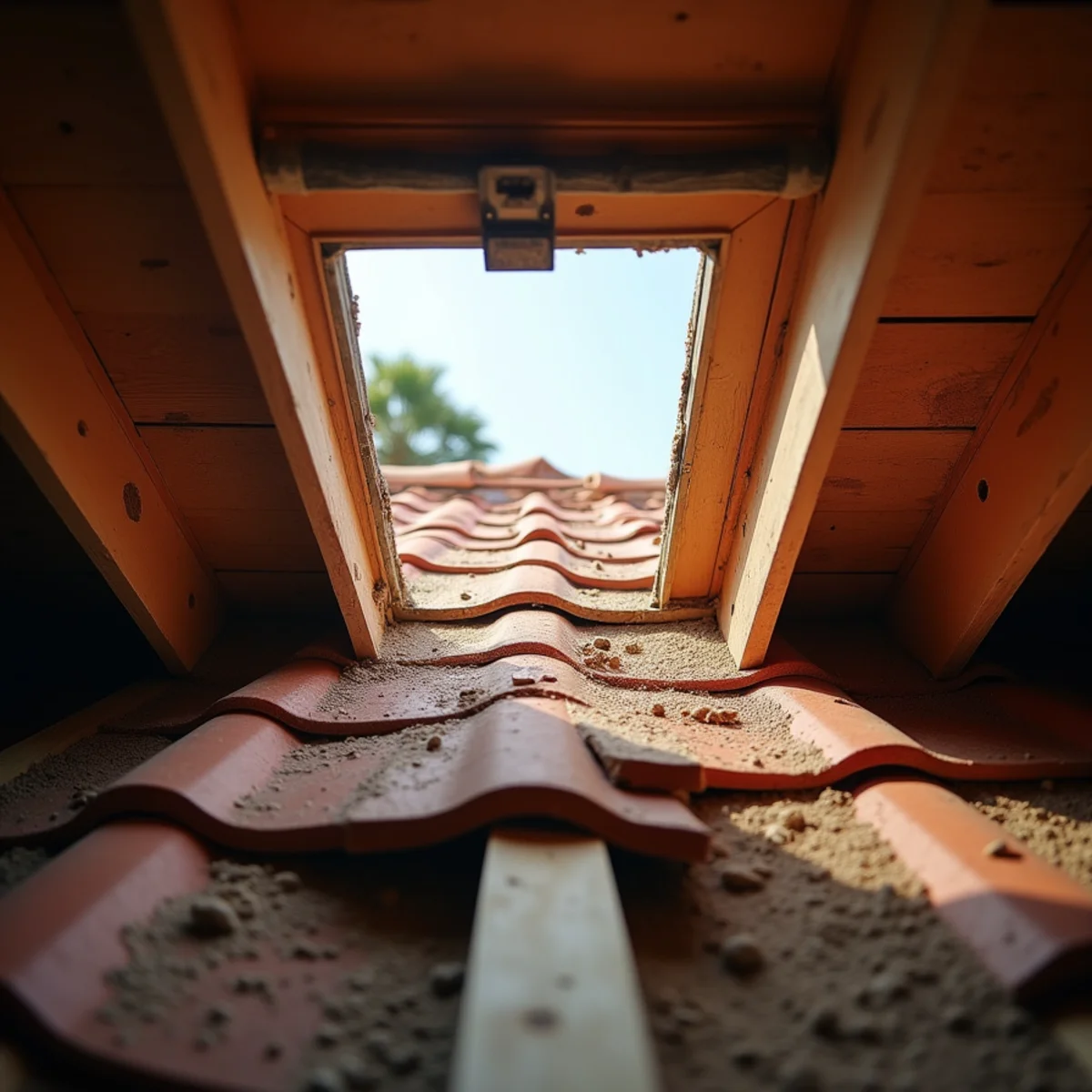
Once you have surveyed the exterior, head indoors with a high-intensity flashlight to inspect vulnerable interior spaces:
1. Inspect Top-Floor Ceilings: Carefully examine ceilings, crown molding, and window headers in every room for discolored spots, bubbling paint, or damp drywall corners.
2. Access the Attic Safely: If safe to do so, peek into your attic hatch. Shine your flashlight upward along the underside of the roof sheathing. Look for shiny wet wood, dark moisture streaks down rafters, or damp fiberglass insulation.
3. Smell for Mustiness: In South Florida's heat, wet attic insulation emits a distinct sour, damp odor within hours of water entry.
Water Leaking Right Now? Speak With a Boca Roofer
We dispatch 24/7 emergency crews across Boca Raton, Deerfield Beach, and Delray Beach.
How to Photograph Damage for Your Records
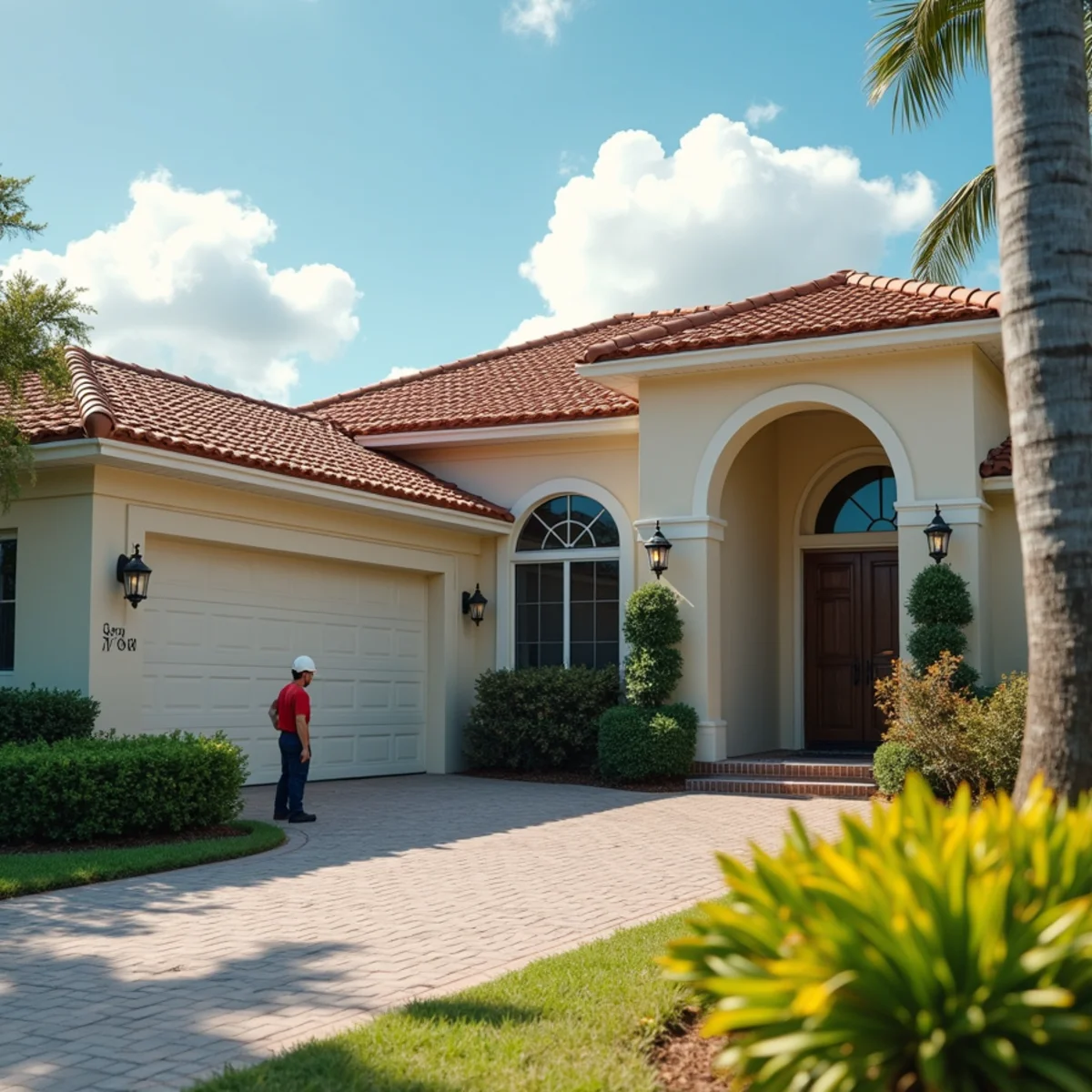
Quality documentation is your best protection. Follow these guidelines when capturing photographic proof:
• Capture Context First: Take wide-angle photos showing the entire exterior elevation of your home with street numbers visible.
• Take Detailed Close-Ups: Capture close images of cracked tiles, fallen branches, water stains on ceilings, and damaged furniture.
• Date and Time Stamp: Ensure your phone's GPS location and timestamp metadata are activated.
• Store Safely: Upload all media to cloud storage (Google Drive, iCloud, or Dropbox) so files cannot be lost if your phone is damaged.
Next Steps: Emergency Dry-In and Certified Repair
If your inspection reveals compromised tiles or water leaks, take prompt action. Contact our 24/7 team for emergency roof tarping in Boca Raton or explore storm damage roof repair across Deerfield Beach and Boynton Beach.
Article FAQs
Quick answers related to this topic.
No. Heavy branches can act as wedges holding down cracked tiles or puncturing decking. Pulling a branch improperly can collapse the sheathing or cause a secondary ceiling breach. Let certified storm restoration crews safely rig and extract limbs.
Related Specialized Resources & Coverage
Specialized Roofing Services:
Local Service Areas:
Need Professional Roof Leak Assistance?
Our intake line is answered live 24 hours a day, 7 days a week.
Have a Question or Need an Estimate?
Submit your details below and a roofing coordinator will get back to you promptly.